Clinical Supervision
All programs are overseen by Board Certified Behavior Analysts (BCBAs) who ensure services meet professional and ethical standards.
 Call us: 704.978.8959 Fax: 704.978.8960
 Email us:
info@ncbehavior.com
Email us:
info@ncbehavior.com Charlotte, NCCall us: 704.978.8959Email us: info@ncbehavior.comRussell,
Kansas
Charlotte, NCCall us: 704.978.8959Email us: info@ncbehavior.comRussell,
KansasApplied Behavior Analysis (ABA) is an evidence-based therapeutic approach designed to help children with autism develop meaningful skills and reduce behaviors that interfere with learning or safety.

ABA is one of the most researched interventions for children with autism. At North Carolina Behavior, treatment plans are developed and supervised by Board Certified Behavior Analysts (BCBAs), ensuring that therapy is individualized, measurable, and ethically guided.
ABA therapy is not a cure and does not change who a child is. Its goal is to help children build functional skills that improve daily life at home, in school, and in the community, while supporting development and honoring each child’s unique way of experiencing and interacting with the world.
North Carolina Behavior provides ABA therapy services for:


We partner closely with parents and caregivers to identify skill gaps and develop structured, individualized programs that align with each child’s developmental needs and family priorities.
A BCBA conducts an in-depth assessment to understand your child’s strengths, challenges, and developmental level.
A personalized plan is created with measurable goals targeting communication, adaptive skills, social development, and behavior support.
Therapy sessions focus on practical, meaningful skills taught step-by-step in natural environments such as the home or school setting.
Parent involvement is a key component. We provide guidance and training so strategies can be reinforced consistently outside of sessions.
Progress is reviewed regularly, and treatment plans are adjusted based on data and clinical supervision.

North Carolina Behavior provides ABA therapy services throughout North Carolina, including:

Support delivered in the home environment to build skills through daily routines and real-life practice.

Structured support that helps children strengthen learning, participation, and consistency in school settings.

Practical guidance for caregivers to reinforce skills, routines, and positive behavior strategies at home.
Our programs are designed to support children in the environments where they learn and grow each day.
ABA therapy in North Carolina is often covered when medically necessary and supported by a confirmed autism diagnosis.

North Carolina Medicaid provides coverage for medically necessary ABA services for eligible children diagnosed with autism spectrum disorder. Authorization requirements vary based on plan type and documentation guidelines.
If you are unsure whether your insurance covers ABA therapy in North Carolina, our team can help review your plan details.

All programs are overseen by Board Certified Behavior Analysts (BCBAs) who ensure services meet professional and ethical standards.

Treatment plans are customized and adjusted based on measurable progress.

We collaborate with parents and caregivers to ensure goals align with each child’s needs and family values.

Our team is familiar with North Carolina Medicaid processes and commercial insurance authorization guidelines.
ABA therapy is often covered by private insurance and North Carolina Medicaid when certain eligibility criteria are met, such as having a qualifying autism diagnosis and obtaining insurance authorization. Coverage requirements and benefits vary by plan, so families are encouraged to verify their individual benefits and work with providers to understand available coverage options.
The number of ABA therapy hours recommended varies for each individual and is based on their unique needs, developmental goals, and results of a clinical assessment. Recommendations may also depend on age, skill development priorities, and what the family’s insurance plan authorizes for medically necessary treatment.
The duration of ABA therapy is individualized and depends on each child’s progress, developmental needs, and treatment goals. Some children participate in therapy for shorter periods to address specific skills, while others may benefit from longer-term support as they continue building communication, social, and daily living skills.
Parent involvement is strongly encouraged in ABA therapy. Collaboration with caregivers helps reinforce skills that children learn during therapy sessions and supports consistency across home, school, and community environments. Parents may participate in training, receive coaching from clinicians, and learn strategies that help maintain progress in everyday situations.
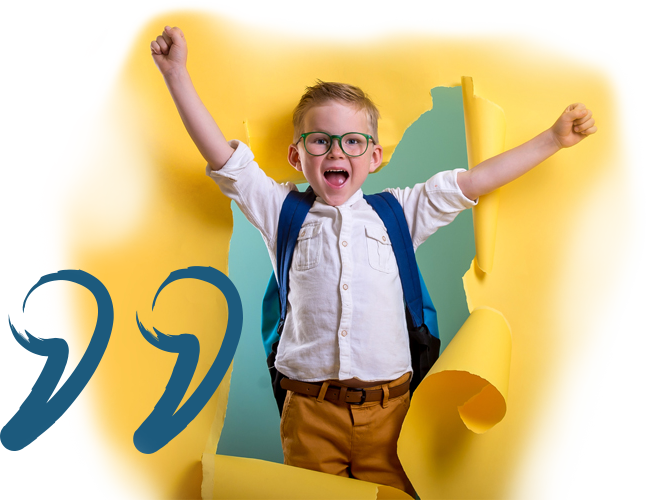
If your child has received an autism diagnosis and you are considering ABA therapy in North Carolina, we are here to guide you through the process.
Click here to talk with
a Care Specialist